As a Lead Design Systems Designer, I was brought into three different organizations to solve a critical and recurring challenge.
One enterprise SaaS platform, one AI-powered automation tool, and one consumer-facing recruitment application — all struggling with fragmented design and development workflows. Inconsistent UI patterns were slowing delivery
& increasing friction between design and engineering teams.
Problem
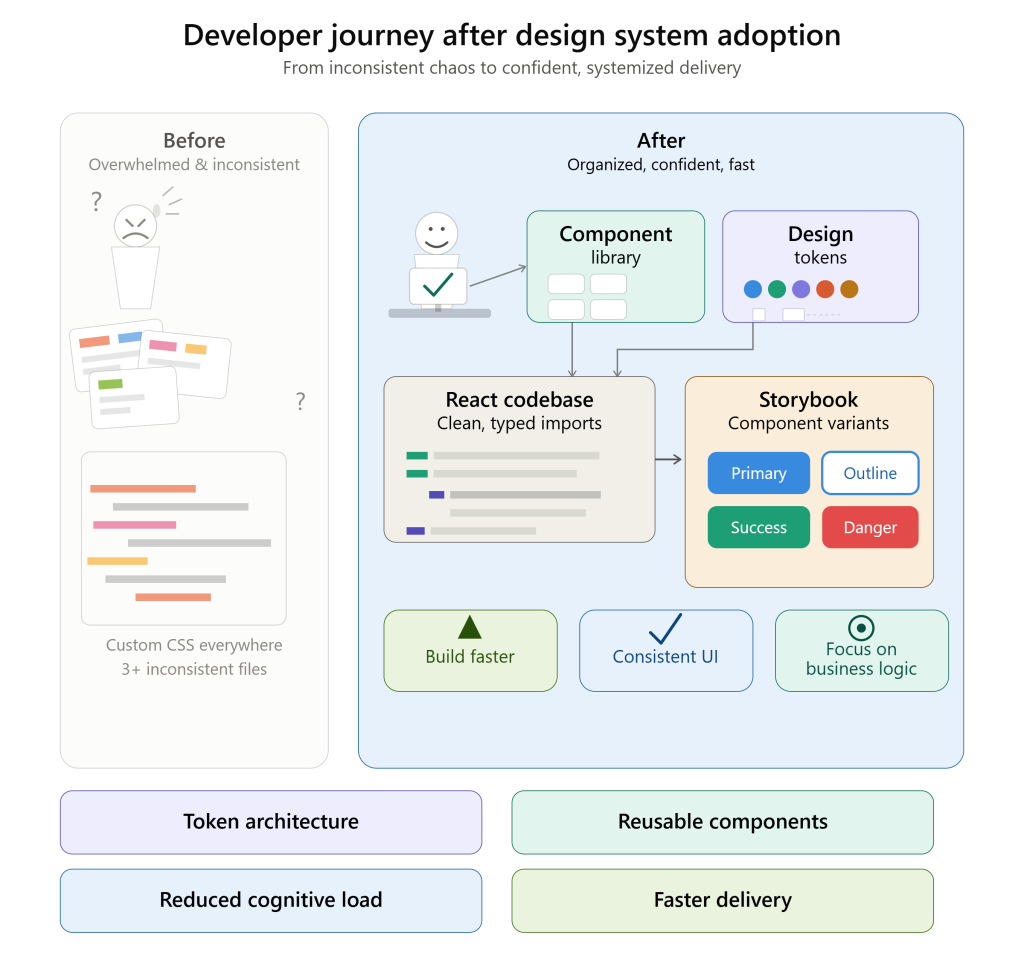
Design and development were misaligned. What looked polished in Figma often broke or appeared inconsistent in production. Without a single source of truth or shared component library, designers rebuilt elements from scratch while developers interpreted specifications differently.
This led to repeated rework, delayed timelines, and wasted time on minor decisions.
The Approach
I took a collaborative and systematic approach:
Facilitated journey mapping workshops in Miro with cross-functional teams to align user needs with business objectives.
Conducted comprehensive UI audits to identify inconsistencies, usability issues, and opportunities for standardization.
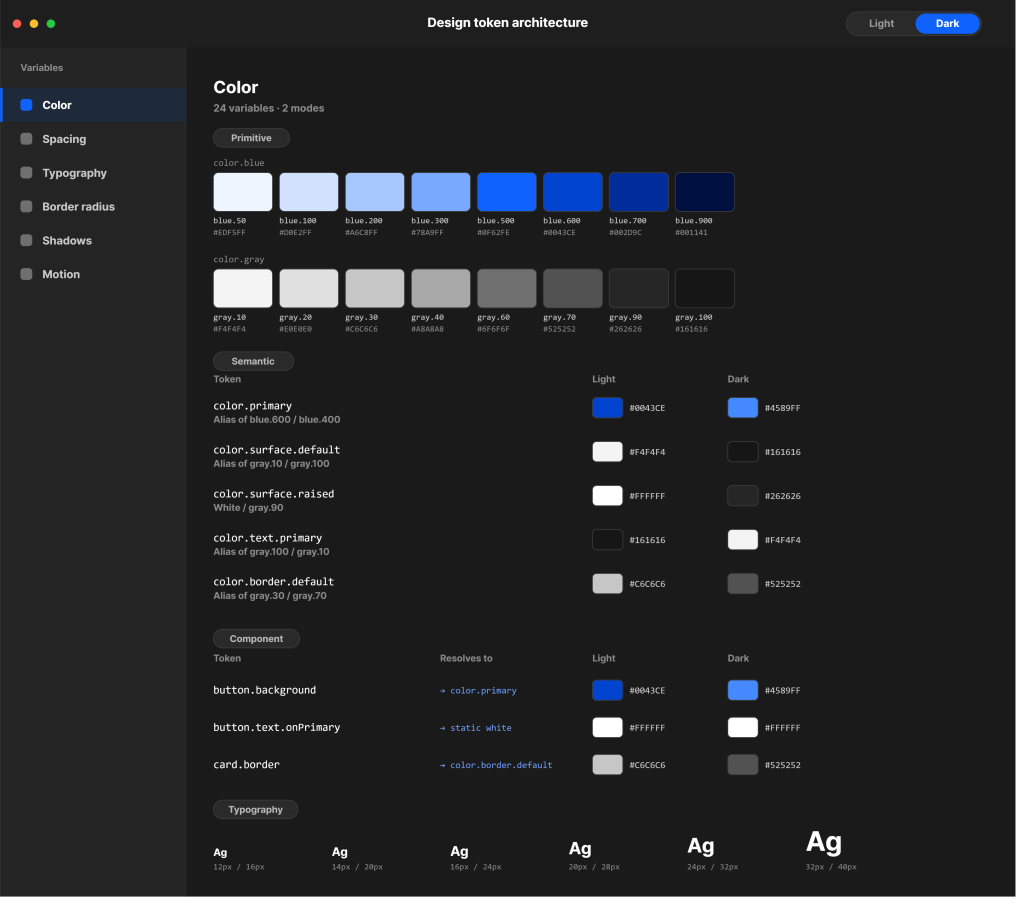
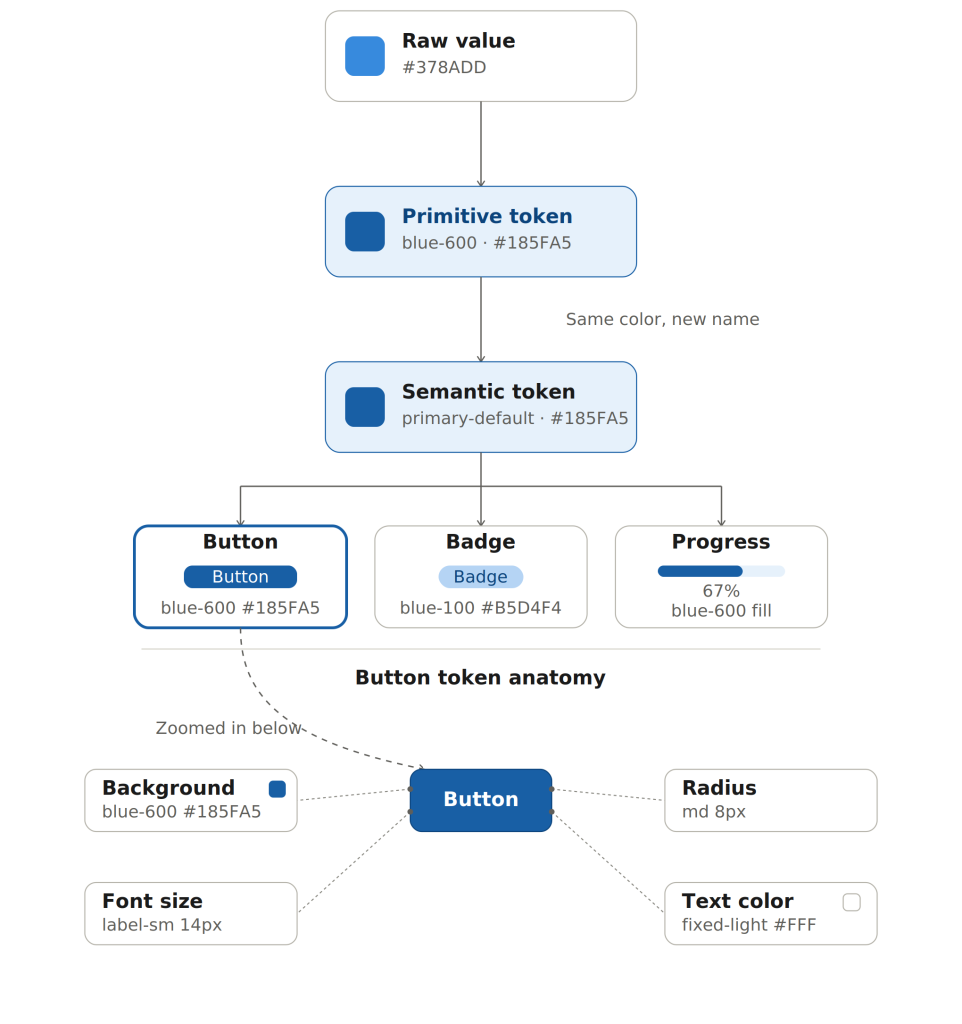
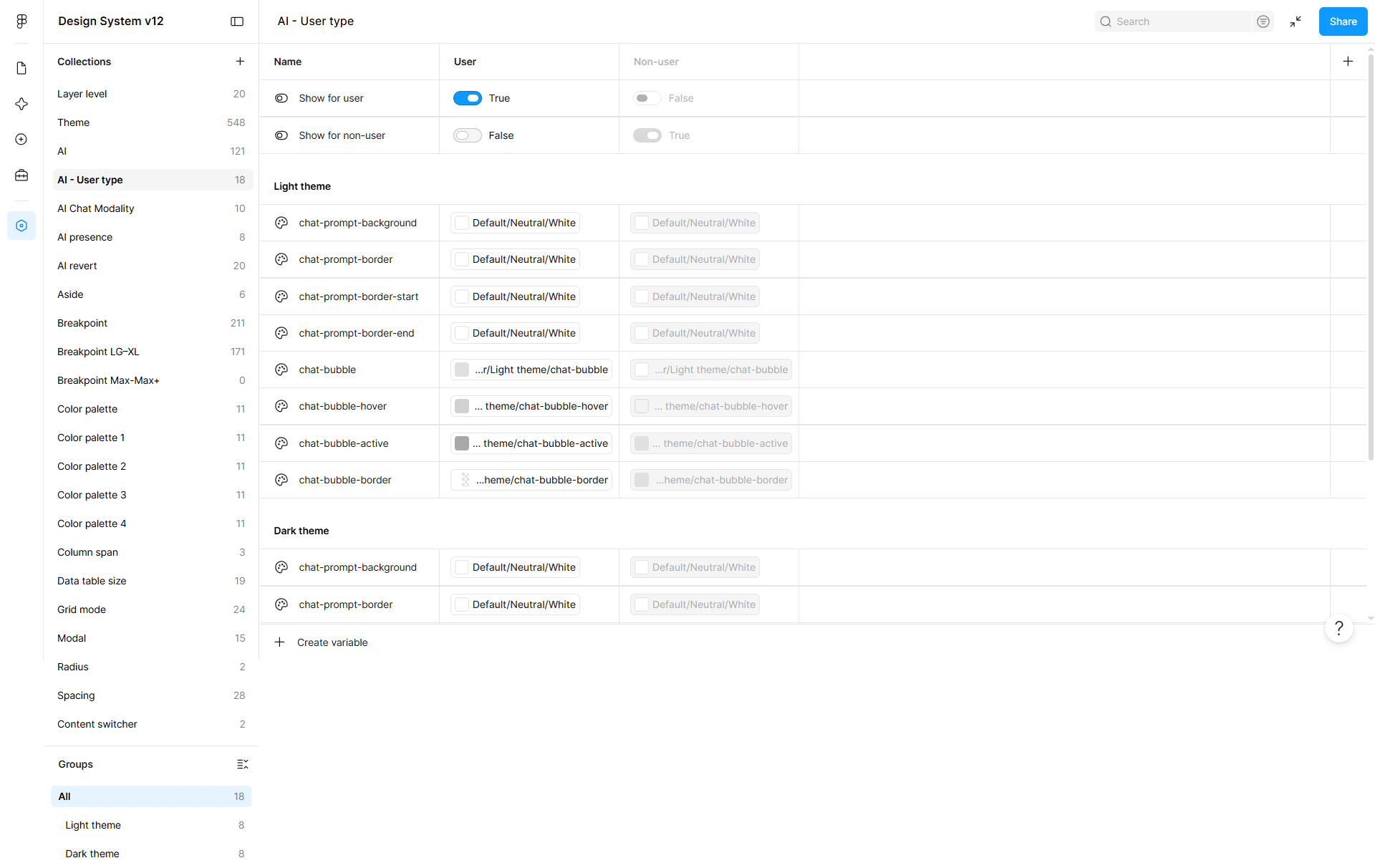
Designed a scalable design token architecture using primitive, semantic, and component tokens to ensure consistency and maintainability.
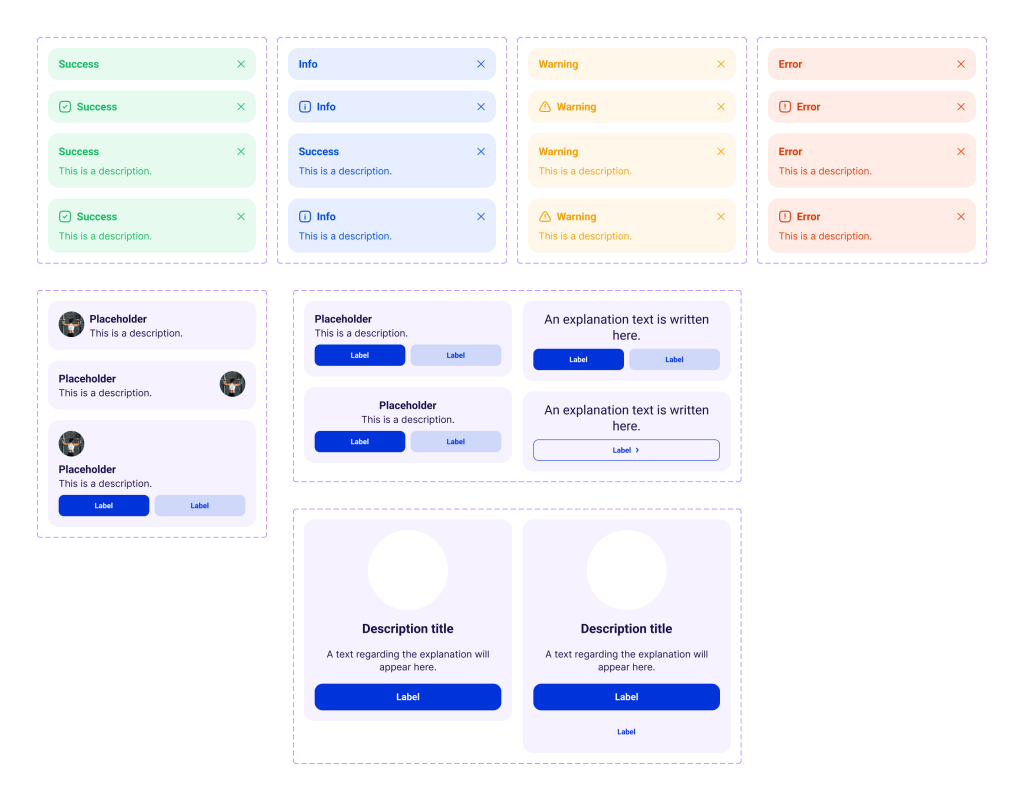
Built a robust, variable-powered component library in Figma, enabling faster design and improved collaboration.
Ensured seamless design-to-development handoff through detailed specifications, documentation, and Storybook integration with React developers.
Drove design system adoption through hands-on training sessions, collaborative workshops, and continuous iterative feedback.
The Screens
The impact of the design system became clearly visible in real product interfaces.
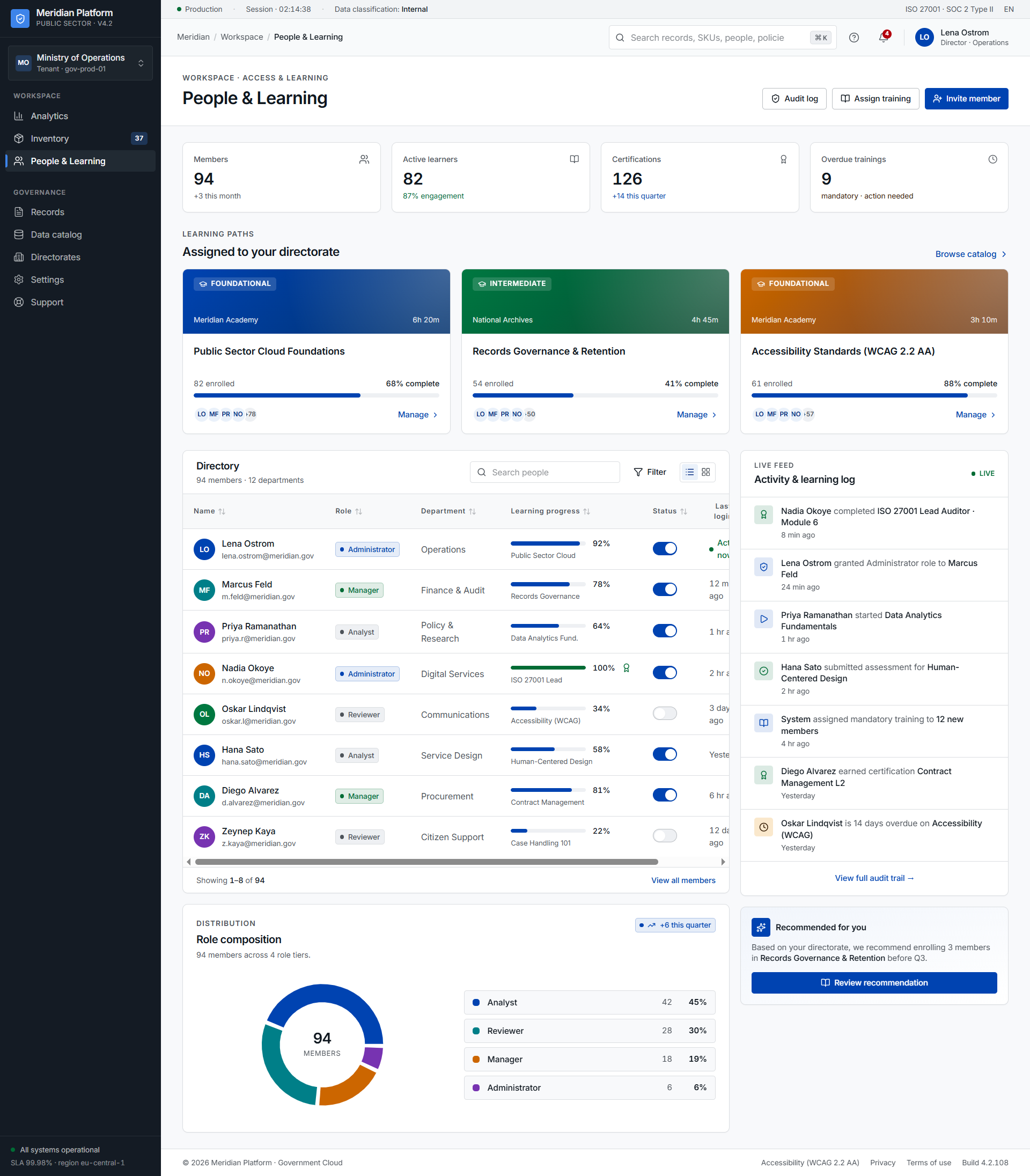
User and Team Management Dashboard designed for enterprise learning and training environments. Includes role distribution, member profiles, status management, and activity logs
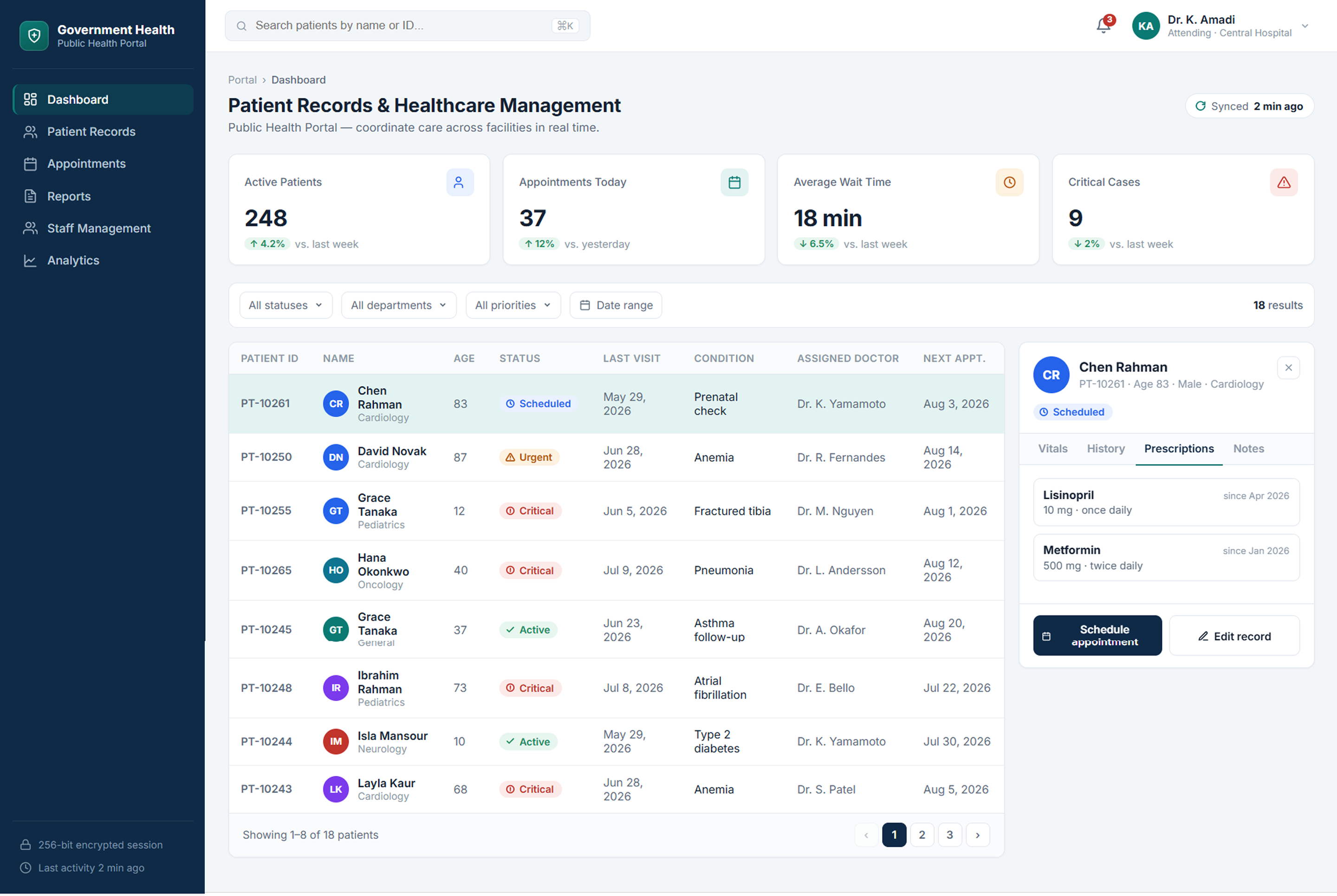
Comprehensive Patient Records and Care Management Dashboard
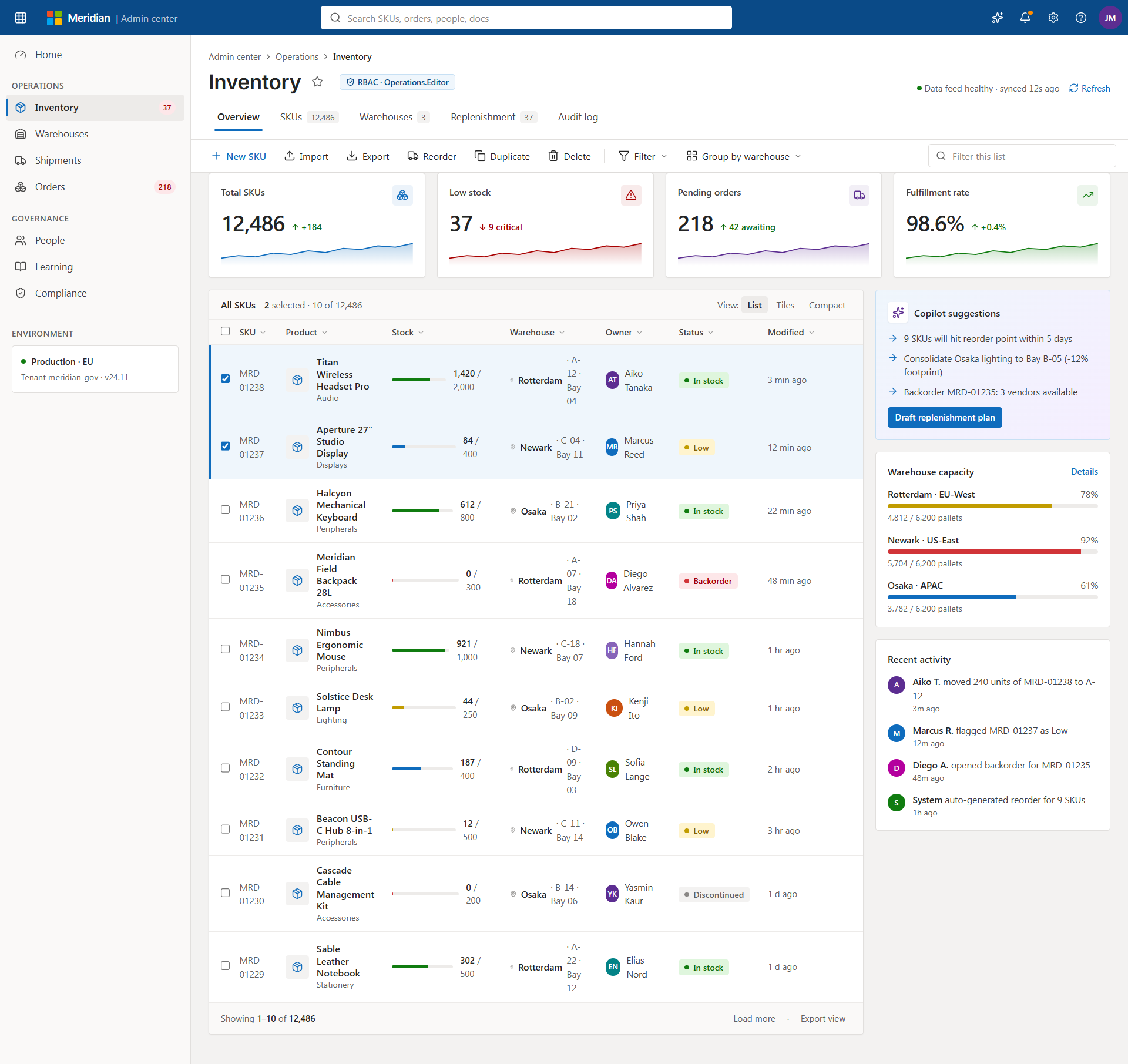
Robust ERP-style Inventory Management interface with stock level tracking, advanced filters, and bulk operations.
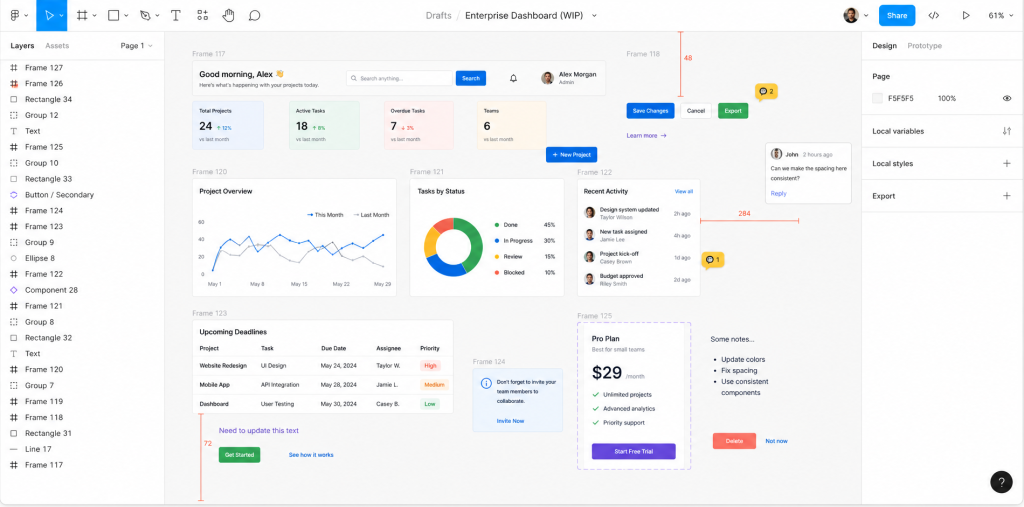
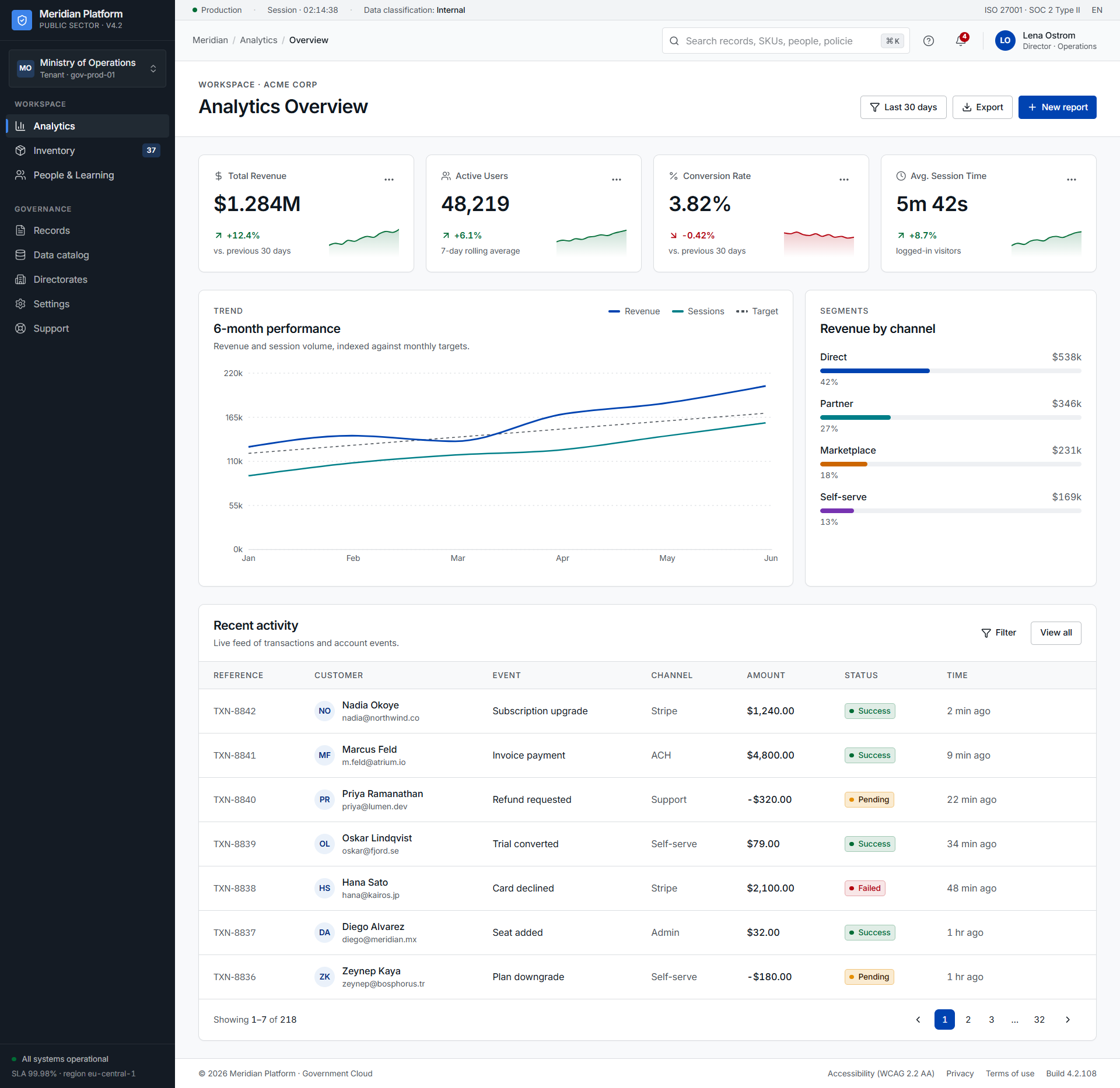
Enterprise Analytics Dashboard featuring KPI summary cards, performance trends, and sortable data tables built entirely from the design system.
These screens were built entirely from the new design system, demonstrating consistency, accessibility (WCAG AA), and scalability across complex enterprise workflows.
Reflection
Leading three design systems in 15 months taught me that a successful design system is ultimately a trust exercise. My role was to create systems where doing the right thing became the easiest way for both designers and developers.
“I stopped wondering what to build — I just open the library now.”
-Senior Developer-
This is the kind of strategic impact I’m proud to deliver as a Lead Design Systems Designer.
Impact
The results were substantial:
54% faster feature delivery after system adoption
46% increase in user satisfaction and revenue on the redesigned platform
75% increase in overall user satisfaction
Dramatically reduced design-to-development handoff time and rework cycles
Consolidated dozens of inconsistent UI patterns into one clean, documented, and scalable library